
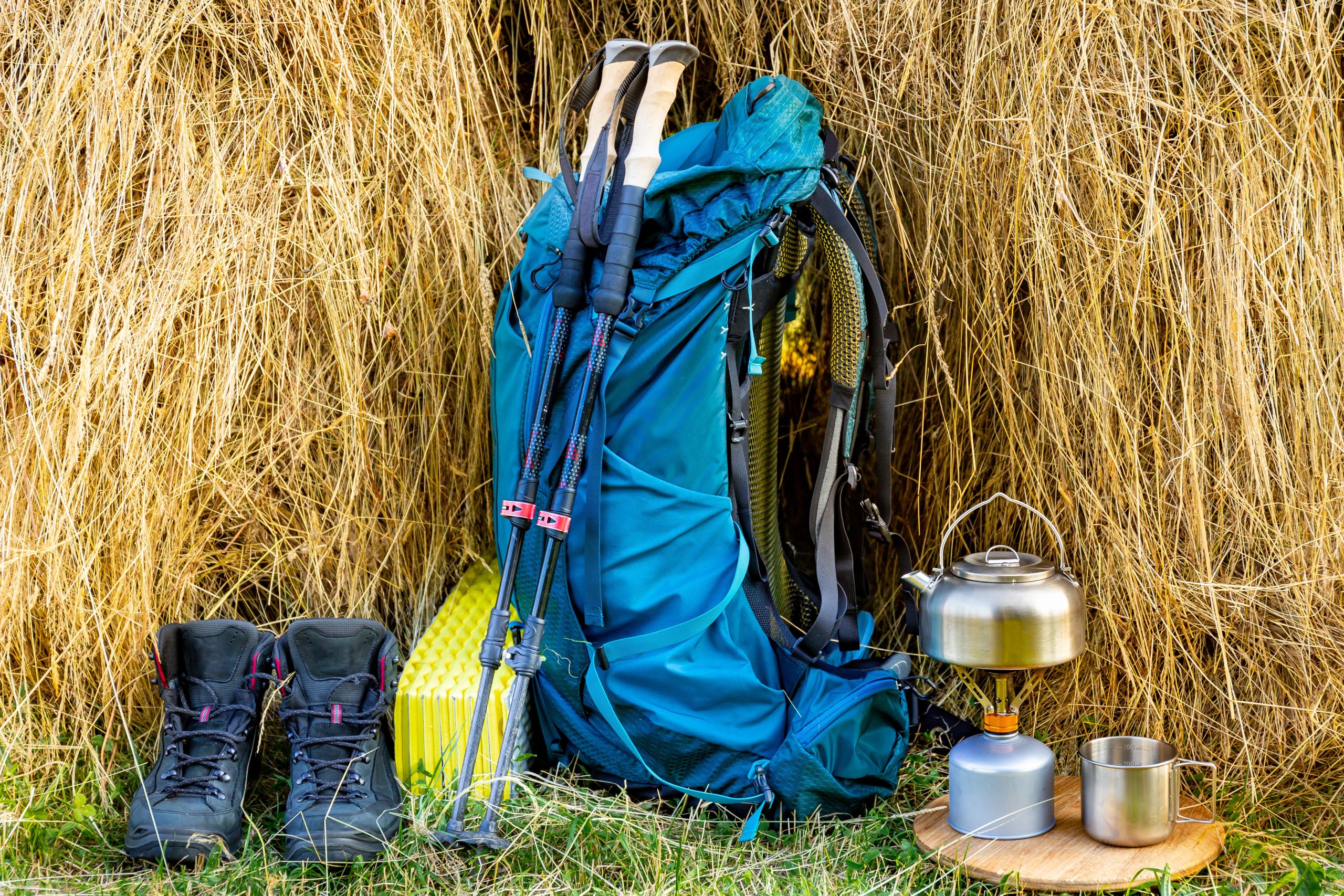
You don’t need separate gear collections for car camping and backcountry adventures. A modular camping and hiking equipment system lets you use the same core equipment for both styles, saving you hundreds of dollars and precious storage space at home.
The average outdoor enthusiast spends over $2,000 building separate gear collections. We’ll show you how to create one flexible system that works everywhere, from your car’s tailgate to remote mountain camps.
What Makes a Camping System Modular?
Modular systems use gear pieces that work together in different combinations. Think of it like building blocks – each piece serves multiple purposes and connects with others to create exactly what you need for each trip.
The key is choosing items that scale up or down. Your sleeping system might use a lightweight pad for backpacking, then add a cot and extra foam for car camping comfort.
How Much Can You Really Save?
Building separate systems costs serious money. Here’s what most people spend:
| Camping Style | Average Investment | Key Expenses |
| Car Camping Only | $800-1,200 | Heavy tents, thick sleeping pads, camp furniture |
| Backpacking Only | $1,000-1,800 | Ultralight gear, compact everything |
| Modular System | $900-1,300 | Multi-use items, adaptable components |
You save 20-40% by avoiding duplicate purchases. More importantly, you’ll actually use everything you buy instead of letting gear collect dust.
What Equipment Forms Your Foundation?
Your shelter system anchors everything else. Choose a tent that works for both scenarios – look for models weighing 3-5 pounds that pack small but offer decent interior space.
For sleeping, start with a quality sleeping bag rated for the coldest conditions you’ll face. Add a lightweight inflatable pad as your base. You can layer a foam pad underneath for car camping comfort or use just the inflatable pad for backpacking.
Your camping & hiking equipment cooking setup should center around a lightweight stove system that accepts different pot sizes. A single burner works great for backpacking, and you can add a second burner or windscreen for car camping meals.
How Do You Choose Multi-Purpose Gear?
Look for items that serve at least two functions. A quality headlamp works as your primary light source while hiking and becomes ambient lighting in camp. Choose one with red light modes and dimming features.
Your backpack becomes crucial for organization. Pick a 40-50 liter pack that compresses well when partially loaded. External attachment points let you carry bulky car camping items outside the pack when needed.
Water storage scales easily – carry lightweight bottles or reservoirs for backpacking, then add larger containers for car camping where weight doesn’t matter.
Where Do You Make Strategic Compromises?
Every modular system requires trade-offs. You’ll carry slightly more weight backpacking than with ultralight-specific gear. But you’ll gain massive versatility and save money.
Comfort items work differently for each style. Pack lightweight camp chairs that weigh under two pounds for car camping, then leave them behind for backpacking trips. Your modular approach means making these choices trip by trip.
Some gear won’t work for both styles. Heavy-duty camp tables and large coolers stay home during backpacking trips. But your core shelter, sleep, and cooking systems travel everywhere.
What About Weather Protection?
Layer your weather protection instead of buying specialized items. A lightweight rain jacket works for backpacking and serves as wind protection during car camping. Add a heavier jacket or extra layers for car camping in harsh conditions.
Tarps become incredibly valuable in modular systems. A lightweight tarp weighs almost nothing for backpacking but creates extra shelter space during car camping. You can use it as a footprint, gear cover, or cooking shelter.
How Do You Organize Everything?
Organization makes or breaks modular systems. Use clear storage containers at home to separate gear by function – one for sleep systems, another for cooking equipment.
Create packing lists for each camping style. Your car camping list includes everything. Your backpacking list removes the heavy comfort items but keeps all essential functions covered.
Practice packing both configurations at home. Time yourself setting up your shelter and cooking system. The best modular setups work smoothly without constant gear hunting.
What’s Your Starting Budget?
You can build a solid modular foundation for $600-800. Start with the big three – shelter, sleep system, and backpack. Add cooking equipment and gradually build out your comfort items.
Buy quality items that handle heavy use. Cheap gear fails faster and costs more long-term when you need replacements. Focus your budget on items that take the most abuse – your pack, tent, and sleeping bag.
Consider buying used gear for your first setup. Outdoor enthusiasts frequently upgrade equipment, creating opportunities to find quality items at 40-60% off retail prices.
Building a modular camping system takes planning, but the payoff is huge. You’ll spend less money, use more of your gear, and handle any camping adventure with confidence.
Start with your foundation items and build gradually – within a year, you’ll have one system that truly does it all.
Frequently Asked Questions
What is a modular camping system?
Ans: A modular system uses multi-purpose camping & hiking equipment that combines in different ways to work for both car camping and backpacking trips.
How much money can you save with a modular setup?
Ans: You can save 20–40% by avoiding duplicate gear purchases and building one adaptable system instead of separate collections.
What gear forms the foundation of a modular system?
Ans: Your foundation includes a versatile tent, a quality sleeping bag, a lightweight sleeping pad, and a scalable cooking setup.
Where do you need to compromise with modular gear?
Ans: You may carry slightly more weight backpacking and leave behind heavy comfort items like tables or large coolers.
What’s a realistic starting budget for modular camping & hiking equipment?
Ans: You can build a solid foundation for $600–800 by focusing first on shelter, sleep system, and backpack.