

Local restaurants play an important role in bringing communities together. Beyond providing meals, they create gathering places, support local employment, contribute to neighborhood economies, and help preserve familiar food traditions. Whether serving everyday customers, hosting family celebrations, or participating in community activities, restaurants can become an important part of the places they serve.
Supporting local restaurants is about more than choosing where to eat. It involves recognizing the relationships between businesses, customers, employees, suppliers, and community organizations. When residents regularly support neighborhood dining establishments, they help create opportunities for local businesses to remain active and continue serving their communities.
Understanding the value of local restaurants helps customers make more informed dining choices while appreciating the wider role these businesses play in everyday community life.
Key Takeaways
- Local restaurants contribute to neighborhood economies through employment and business activity.
- Independent and community-focused restaurants can create meaningful relationships with residents.
- Supporting local dining establishments helps maintain diverse restaurant choices.
- Restaurants can contribute to community initiatives, fundraisers, and charitable activities.
- Local food businesses can help preserve regional recipes and familiar dining traditions.
- Regular customer visits and personal recommendations can strengthen restaurant visibility.
- Community support involves both customer loyalty and meaningful business participation.
Why Are Local Restaurants Important to Their Communities?
Restaurants provide more than food and beverages. They create spaces where people can meet, communicate, celebrate, and participate in everyday social activities.
A neighborhood restaurant may become a regular destination for families, coworkers, friends, and community groups. Over time, these repeated visits can establish meaningful relationships between the business and the people it serves.
Several factors explain why local restaurants matter.
- Economic Activity: Restaurants generate business activity and create employment opportunities.
- Community Connections: Dining establishments provide places for people to gather.
- Food Diversity: Different restaurants introduce customers to a variety of cuisines and preparations.
- Local Identity: Established restaurants can become recognizable parts of a neighborhood.
- Community Participation: Some restaurants contribute to local events and charitable initiatives.
These contributions vary between businesses, but together they demonstrate how restaurants can influence the communities around them.
For customers exploring local restaurants, understanding these contributions provides another perspective on the importance of neighborhood dining establishments.
How Supporting Local Restaurants Strengthens the Local Economy
Restaurants participate in local economies through their daily operations, purchasing decisions, employment, and relationships with other businesses.
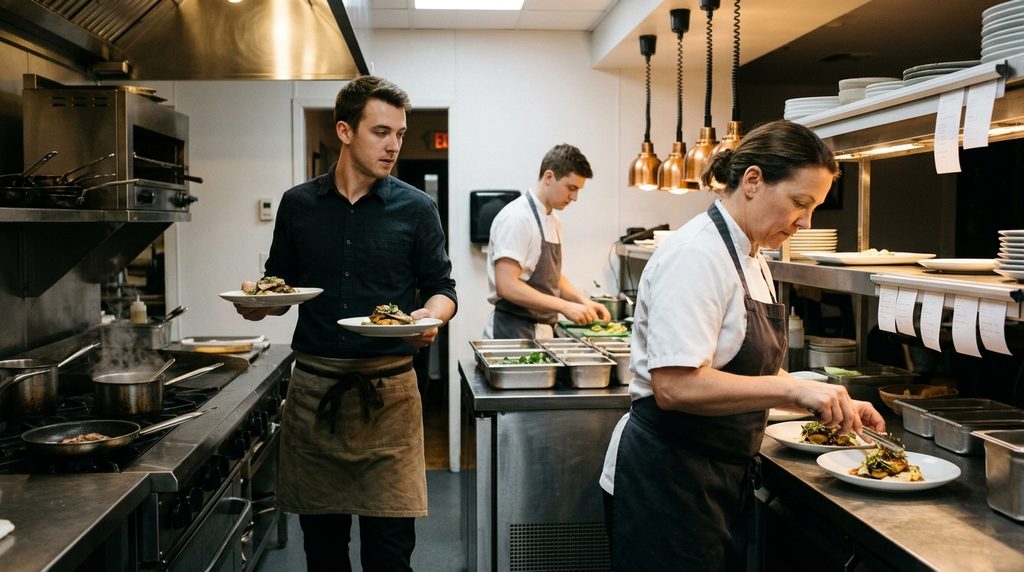
When customers spend money at a neighborhood restaurant, that spending contributes to the business’s ability to operate, pay employees, purchase supplies, and maintain its facilities.
Creating Local Employment Opportunities
Restaurants employ people in a variety of roles, including:
- Chefs and kitchen staff.
- Servers and dining room employees.
- Restaurant managers.
- Food preparation workers.
- Cleaning and maintenance personnel.
- Delivery and customer service staff.
These positions provide employment opportunities and support the daily operations of the hospitality industry.
The number and type of jobs depend on the restaurant’s size, operating model, and business activity. Nevertheless, restaurants can contribute to employment within the communities where they operate.
Supporting Other Local Businesses
Restaurant operations often involve relationships with suppliers, service providers, and other businesses.
Depending on their purchasing arrangements, restaurants may work with:
- Local food distributors.
- Produce suppliers.
- Bakeries.
- Equipment maintenance providers.
- Cleaning companies.
- Transportation businesses.
- Printing and packaging suppliers.
When restaurants purchase from nearby suppliers, they can contribute to business activity beyond their own operations.
Local sourcing is not universal, and restaurants may also rely on regional or national distributors. However, supplier relationships remain an important part of restaurant operations.
Encouraging Neighborhood Business Activity
Restaurants can contribute to the overall activity of commercial areas. Customers visiting a restaurant may also shop at nearby stores, visit other businesses, or participate in activities within the neighborhood.
This relationship can make restaurants useful parts of shopping districts, community centers, and mixed-use commercial areas.
Why Do Community Connections Matter for Local Restaurants?
Strong community relationships can help restaurants develop a recognizable identity and build lasting customer relationships.
A restaurant that understands its customers and participates in local activities may become more familiar to residents over time.
Community connections can develop through several activities.
Building Relationships With Returning Customers
Regular customers can become an important part of a restaurant’s ongoing business. Familiar interactions, consistent food quality, and dependable service encourage people to return.
These relationships may develop through everyday experiences, such as:
- Regular family dinners.
- Weekly lunches with coworkers.
- Meetings with friends.
- Birthday celebrations.
- Casual weekend outings.
Over time, a restaurant may become associated with particular routines and shared memories.
Providing Spaces for Social Gatherings
Restaurants offer convenient places for people to meet outside their homes and workplaces.
They may accommodate family dinners, informal business meetings, celebrations, and community gatherings. Suitable seating arrangements and menu variety can make these establishments practical gathering locations.
Developing a Recognizable Community Identity
Some restaurants become familiar landmarks because of their history, signature dishes, location, or involvement in neighborhood activities.
Customers may associate these establishments with particular experiences and recommend them to visitors or new residents.
A recognizable identity can help a restaurant establish a lasting relationship with its community.
How Can Customers Support Local Restaurants?
Supporting local restaurants does not require major spending or special arrangements. Everyday dining decisions and simple recommendations can contribute to a restaurant’s visibility and customer relationships.
There are several practical ways customers can show their support.
Visit Local Restaurants Regularly
Choosing a neighborhood restaurant for lunch, dinner, or weekend meals helps create opportunities for repeat business.
Customers can explore different menu options, introduce family members to the establishment, and make local dining part of their regular routines.
Recommend Restaurants to Others
Personal recommendations can introduce restaurants to potential customers.
Customers can share their experiences with friends, relatives, and coworkers or recommend a restaurant when someone asks for dining suggestions.
Leave Honest Online Reviews
Reviews can help other customers understand a restaurant’s food, service, atmosphere, and overall dining experience.
Useful reviews should be genuine, specific, and based on actual visits. Constructive feedback can also help businesses identify areas where improvements may be needed.
Follow Restaurant Updates
Following a restaurant’s official social media accounts or checking its website can help customers stay informed about:
- New menu additions.
- Seasonal food offerings.
- Special events.
- Holiday operating hours.
- Community activities.
- Changes to restaurant services.
Sharing relevant updates can also help increase awareness among people who may not have visited the restaurant before.
Consider Local Restaurants for Group Events
Restaurants may offer suitable dining arrangements for birthdays, family gatherings, office lunches, and other occasions.
Choosing a local establishment for these events can provide additional business opportunities while giving customers a convenient place to gather.
What Role Do Restaurants Play in Community Support?
Restaurants can contribute to their communities through activities that extend beyond ordinary dining services. Some participate in fundraising events, support charitable organizations, or provide resources for local initiatives.
The type of participation depends on the restaurant’s capacity, priorities, and relationships with community organizations.
Supporting Local Charitable Organizations
Restaurants may contribute to charitable activities through donations, fundraising partnerships, sponsored meals, or other forms of assistance.
These contributions can help organizations reach their goals while providing restaurants with opportunities to participate in meaningful community initiatives.
Participating in Fundraising Events
Fundraising activities can bring residents, businesses, and nonprofit organizations together around a shared purpose.
Restaurants may support these events by providing food, contributing proceeds from selected activities, or helping organize gatherings.
Supporting Schools and Community Groups
Depending on their resources, restaurants may work with schools, sports organizations, neighborhood associations, and other community groups.
Examples of possible involvement include:
- Providing meals for organized gatherings.
- Supporting community celebrations.
- Contributing to school fundraising activities.
- Participating in neighborhood events.
- Assisting eligible nonprofit initiatives.
Community involvement should be appropriate to the restaurant’s resources and carried out with clear expectations.
Businesses interested in understanding how restaurant participation can support community initiatives can explore restaurant community involvement for additional context.
How Local Restaurants Help Preserve Food Traditions
Food is closely connected to culture, family history, and regional identity. Restaurants can help preserve these traditions by continuing to prepare familiar dishes and introducing customers to established recipes.
Some establishments focus on traditional meals, while others combine familiar ingredients with newer cooking approaches.
Preserving Familiar Recipes
Traditional recipes can carry cultural and family significance. Restaurants that maintain recognizable preparations help customers continue enjoying dishes associated with particular communities or generations.
These recipes may include traditional entrees, regional specialties, baked goods, sauces, and desserts.
Introducing Customers to Regional Cuisine
Local restaurants can help residents and visitors discover food traditions that may not be widely represented elsewhere.
A restaurant specializing in a particular cuisine can introduce customers to unfamiliar ingredients, preparation methods, and flavor combinations.
Connecting Generations Through Food
Family dining can create opportunities for older and younger generations to share familiar meals and discuss food traditions.
Restaurants serving established recipes may become regular destinations for families who value those experiences.
Maintaining traditional food offerings does not mean restaurants must avoid innovation. New menu additions can coexist with familiar favorites and introduce additional choices to customers.
Why Restaurant Diversity Makes Communities More Interesting
A diverse restaurant environment gives customers more opportunities to explore different cuisines, dining styles, and food experiences.
When communities have access to different types of restaurants, residents can choose establishments that suit their preferences and occasions.
| Restaurant Type | Contribution to Dining Diversity |
| Family restaurants | Provide familiar meals and group dining options |
| Specialty restaurants | Introduce particular cuisines or food categories |
| Casual dining establishments | Offer relaxed everyday dining |
| Traditional restaurants | Preserve familiar recipes and preparation styles |
| Cafes and bakeries | Provide lighter meals, beverages, and baked goods |
| Contemporary restaurants | Introduce new combinations and modern preparations |
Restaurant diversity can also make an area more appealing to visitors and residents who enjoy exploring different food experiences.
Customers who support a range of local establishments help create opportunities for different dining concepts to remain part of the community.
How Restaurants Can Build Stronger Community Relationships
Community relationships develop through ongoing interactions rather than isolated promotional activities. Restaurants that communicate clearly, understand local needs, and participate appropriately can build stronger connections with residents.
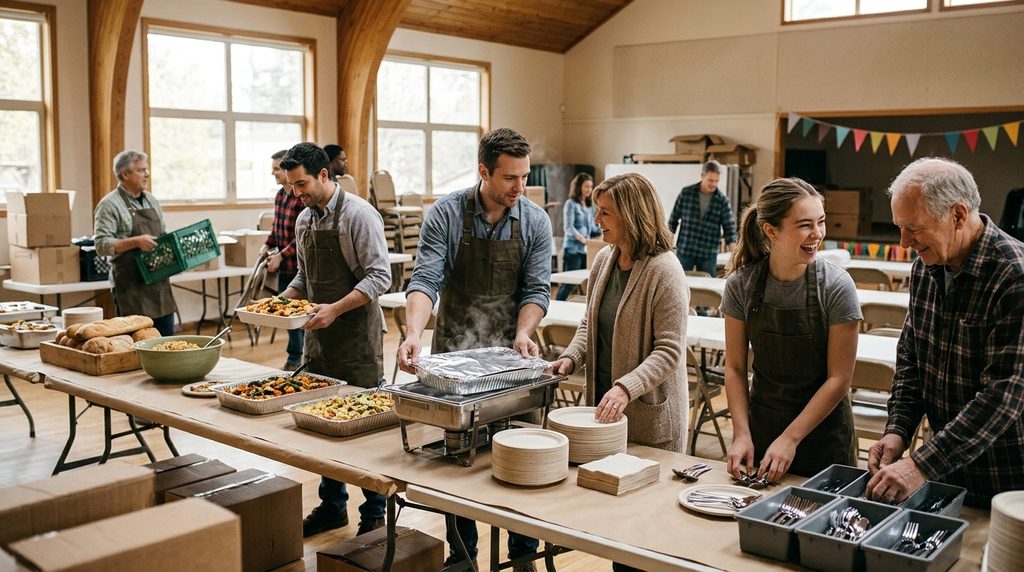
Several practices can help establish these relationships.
Maintain Open Communication
Restaurants can use their websites, social media accounts, and in-person interactions to communicate important information.
Clear communication about menus, hours, events, and available services helps customers make informed decisions.
Listen to Customer Feedback
Customer feedback can reveal what people appreciate and where improvements may be needed.
Restaurants can use recurring feedback to evaluate menu choices, service procedures, dining arrangements, and other operational details.
Participate in Local Activities
Community events provide opportunities for restaurants to meet residents and develop relationships with organizations.
Participation may include supporting local celebrations, working with nonprofit groups, or contributing to fundraising activities.
Maintain Consistent Service Standards
Reliable food quality, respectful service, and comfortable dining environments help establish customer confidence.
When customers receive dependable experiences, they have more reasons to return and recommend the restaurant to others.
Support Meaningful Community Initiatives
Restaurants can identify initiatives that align with their capacity and values.
Those interested in organized community contributions can review restaurant donation requests to understand how charitable support opportunities may be structured.
What Challenges Do Local Restaurants Face?
Local restaurants operate in a competitive business environment and must manage several financial and operational responsibilities.
Understanding these challenges helps explain why regular customer support and responsible business practices matter.
Rising Operating Expenses
Restaurants must manage expenses related to ingredients, labor, rent, utilities, equipment, and maintenance.
Changes in supplier prices and operating costs can affect profitability and menu pricing.
Competition From Larger Chains
Local establishments often compete with national restaurant chains that may have greater purchasing power, advertising resources, and standardized operating systems.
Independent restaurants may differentiate themselves through distinctive menus, personal service, local relationships, or specialized food offerings.
Changing Customer Expectations
Dining habits and customer preferences evolve. Restaurants may need to adapt menus, ordering systems, payment options, and service arrangements to remain relevant.
Staffing and Operational Requirements
Restaurant operations depend on coordinated work across several roles. Recruiting, training, scheduling, and retaining employees can require significant management attention.
Maintaining Consistent Food Quality
Ingredient availability, kitchen capacity, preparation procedures, and staffing can influence consistency.
Restaurants need reliable operational processes to maintain customer expectations while managing daily business demands.
These challenges differ across establishments, but they demonstrate why running a local restaurant involves more than preparing and serving meals.
How to Make Supporting Local Restaurants Part of Everyday Life
Supporting local dining establishments can become part of ordinary routines rather than something reserved for special occasions.
Customers can make small, practical choices that help maintain relationships with neighborhood businesses.
Consider these ideas:
- Choose a local restaurant for an occasional weekday lunch.
- Arrange family dinners at neighborhood establishments.
- Recommend favorite restaurants to friends and coworkers.
- Share genuine experiences through online reviews.
- Consider local restaurants when organizing celebrations.
- Explore different neighborhood dining options.
- Participate in restaurant-supported community activities.
These actions do not require customers to change every dining habit. Even occasional support can help local businesses connect with new and returning customers.
The relationship works both ways. Restaurants that provide dependable food, welcoming service, and meaningful community participation give residents additional reasons to continue supporting them.
Frequently Asked Questions
Why is supporting local restaurants important?
Supporting local restaurants helps maintain neighborhood businesses, employment opportunities, and diverse dining options. Restaurants can also provide gathering spaces and participate in community initiatives, making them valuable parts of local economic and social activity.
How do local restaurants benefit the community?
Local restaurants contribute through employment, business activity, supplier relationships, and customer services. Some also support charitable organizations, participate in fundraising activities, and provide spaces for social gatherings.
What is the best way to support a neighborhood restaurant?
Customers can visit regularly, recommend restaurants to others, leave honest reviews, share relevant updates, and choose local establishments for group meals and celebrations. These activities can help restaurants maintain customer relationships and increase visibility.
How can restaurants contribute to local charities?
Restaurants may support charitable organizations through donations, fundraising partnerships, sponsored meals, and participation in community events. The appropriate approach depends on the restaurant’s resources and the organization’s needs.
Why are family-owned restaurants important to local communities?
Family-owned restaurants can preserve familiar recipes, maintain established food traditions, and develop long-term customer relationships. Some also participate in community activities and provide recognizable gathering places for local residents.
Conclusion
Local restaurants contribute to communities through food, employment, customer relationships, and opportunities for social connection. Their presence can help maintain neighborhood business activity, introduce diverse dining experiences, and preserve familiar food traditions.
Supporting these establishments involves more than occasional restaurant visits. Customers can contribute through regular dining, genuine recommendations, online reviews, and participation in community activities. Restaurants, in turn, can strengthen these relationships by maintaining consistent food quality, providing welcoming service, and supporting meaningful local initiatives.
Ultimately, strong communities benefit from relationships between residents and the businesses they support. By choosing local dining establishments and recognizing their wider contributions, customers can help maintain a diverse and connected restaurant environment.