
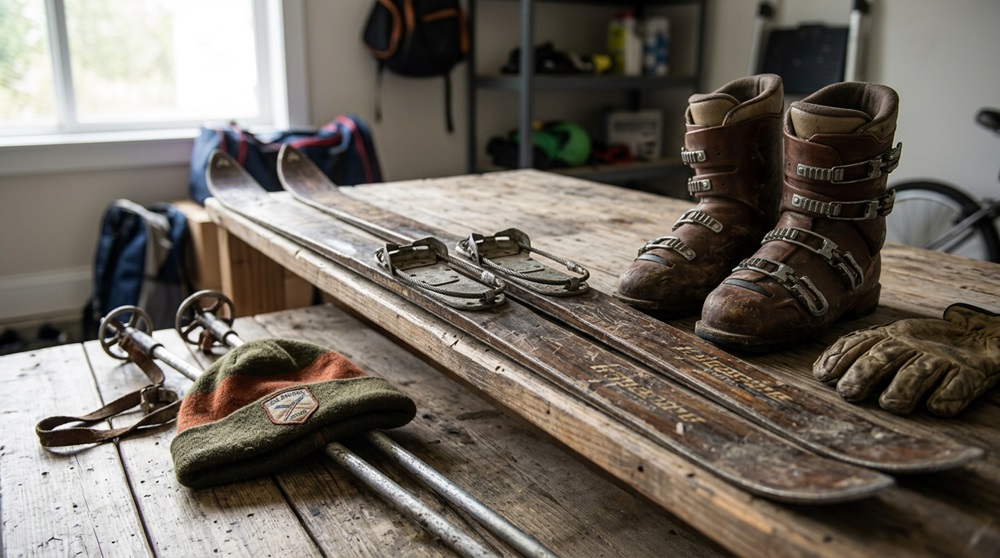
Buying secondhand gear makes sense in a lot of situations. You save money, and for casual use, many items hold up fine. But used sporting goods equipment sits in a different category when safety is part of the equation.
Some gear looks perfectly fine on the outside and fails when it matters most. This article covers the specific situations where buying used crosses from smart to risky, and what to check before you hand over any money.
Structural Failures You Can’t Always See
The biggest problem with used safety gear is that damage isn’t always visible. A helmet that took a hard impact looks the same as one that didn’t. A climbing harness with UV degradation feels normal in your hands. A bike frame with a stress fracture shows nothing until it gives way.
This is why condition alone doesn’t tell you enough.
Here are the categories where hidden structural failure is a real concern:
- Helmets: Any helmet that has absorbed a significant impact should be replaced. The foam inside compresses on impact and doesn’t bounce back. You can’t test this by looking at it or pressing on it.
- Climbing gear: Ropes, harnesses, carabiners, and belay devices degrade with use, UV exposure, and contact with chemicals like sunscreen or chalk. A rope that looks clean may have internal fiber damage.
- Bicycle frames: Carbon fiber frames can crack internally from impact or repeated stress. Aluminum frames can develop fatigue cracks around welds. Neither is obvious without close inspection.
- Ski and snowboard bindings: Binding release mechanisms are calibrated to release at specific force thresholds. Worn or corroded components change that threshold in ways you can’t measure without proper tools.
- Life jackets and PFDs: Foam buoyancy material compresses over time. A used PFD may not provide the rated buoyancy, especially if it’s been stored improperly or used heavily in saltwater.
The common thread across all of these is that the failure mode is internal, and the consequences show up at the worst possible moment.
Recall History and Why It Matters for Used Gear
Manufacturers issue recalls when a product has a known defect that poses a safety risk. The recall process works reasonably well for new products sold through retailers. It breaks down almost completely for secondhand gear.
When a product is recalled, the manufacturer notifies retailers and registered buyers. A used item sold privately has no paper trail. The seller may not know about the recall. You won’t be notified because there’s no record of your purchase. And the product keeps circulating.
A few categories that have had notable recall activity:
- Bike helmets recalled for chin strap failures or foam delamination
- Rock climbing harnesses recalled for stitching defects in load-bearing webbing
- Youth sports pads recalled for strap or buckle failures
- Inflatable PFDs recalled for CO2 cartridge or auto-inflation mechanism failures
- Treadmills and home gym equipment recalled for electrical faults or structural failures under load
Before buying any used safety-related gear, search the item by brand, model, and year on the U.S. Consumer Product Safety Commission database at cpsc.gov. It takes about 2 minutes and can tell you a lot.
The problem is that even if a recall fix was applied, you often have no way to verify it on a used item. Some recalls involve replacement parts that were sent to the original owner. If ownership changed before the fix was applied, the item is still defective.
Age Limits That Manufacturers Actually Set
Most people don’t know that sporting goods manufacturers publish specific age limits for their products. These aren’t vague suggestions. They’re based on material degradation timelines and testing cycles.
Some common ones:
- Climbing ropes: Most manufacturers recommend retirement after 10 years from the manufacture date, regardless of use. A rope used once a year and stored well should still be retired at 10 years. A rope used every week may need replacement in 1 to 3 years.
- Climbing harnesses: 10-year maximum from manufacture date, with earlier retirement based on use and condition.
- Helmets (cycling, skiing, climbing): Most manufacturers recommend replacement every 3 to 5 years from the manufacture date, and immediately after any significant impact.
- Inflatable PFDs: CO2 cylinders typically require annual inspection and replacement every few years. The bladder and fabric have a finite service life as well.
- Child car seats: Not a sporting good, but frequently sold at sports consignment stores. They have expiration dates printed on the shell, and they should never be purchased used.
When you buy used, you often don’t know the manufacture date. Many items have it stamped or printed somewhere, but it’s not always easy to find, and sellers don’t always disclose it.
A helmet that’s 7 years old and looks fine is past its recommended service life for most brands. You’re paying for something that a manufacturer would already consider retired.
The Categories Where Used Is Genuinely Too Risky
Some gear should almost never be purchased used, regardless of price or apparent condition.
Helmets of any kind. Cycling, skiing, climbing, skateboarding, equestrian. The cost of a new helmet is low relative to what it protects. There’s no reliable way to verify impact history on a used helmet.
Climbing protection and load-bearing hardware. Cams, nuts, carabiners, belay devices, and anchors. These items are manufactured to tight tolerances and should be retired after any significant fall load or if there’s visible wear on the gate, threads, or body.
Child-specific safety gear. Anything designed to protect a child in a fall, crash, or water situation. The margin for error is too small.
Airbag avalanche packs. The airbag mechanism must deploy reliably in an emergency. These systems require regular inspection and servicing that most used sellers can’t document.
Any item without a manufacture date. If you can’t establish the age, you can’t evaluate it against manufacturer retirement guidelines.
When Used Gear Is Reasonable
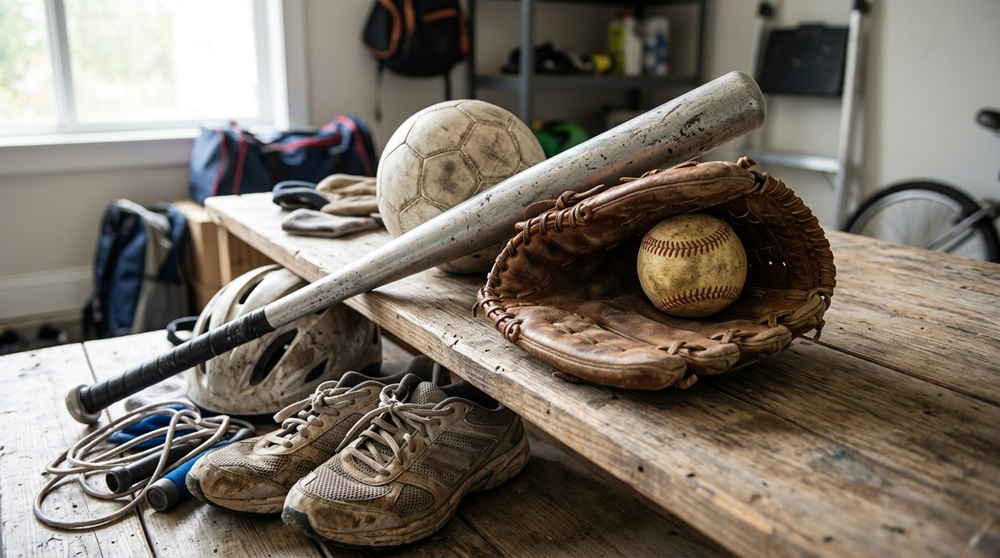
To be fair, plenty of used sporting goods are worth buying.
Golf clubs, ski poles, tennis rackets, general fitness equipment, camping cookware, tents, sleeping bags, wetsuits, and most apparel carry much lower risk when bought used. The failure modes for these items are visible, and the consequences of failure are manageable.
The question to ask yourself is: what happens if this item fails mid-use? If the answer is inconvenience or a broken piece of equipment, used is probably fine. If the answer involves a fall, a crash, or submersion in water, think carefully before buying secondhand.