
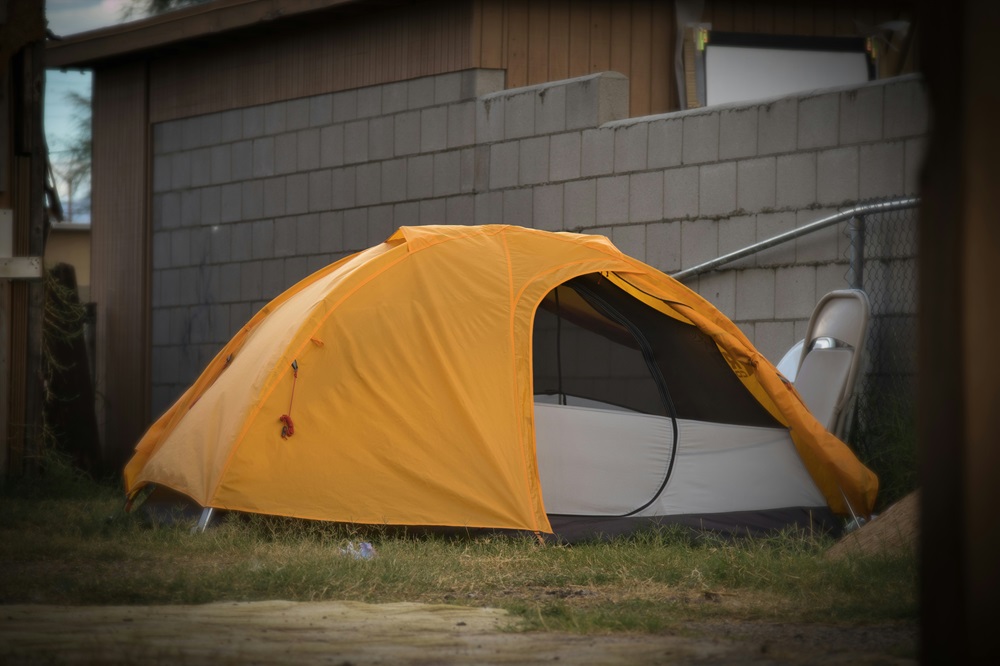
Setting up a tent alone used to feel like a puzzle with missing pieces. But with the right sequence, most people can pitch a solid shelter in under 10 minutes flat.
Familiarity cuts setup time in half, and knowing what to do before you even unzip the bag makes all the difference. Whether you’re working with the magellan mission tent or any standard dome, this guide walks you through the whole thing.
What You Need Before You Start
Get everything out before you touch a single pole.
Rushing through setup usually starts here. You dig through your pack for stakes while the tent body flaps in the wind, and suddenly five minutes are gone before you’ve done anything useful.
Lay everything on the ground first:
- Tent body
- All poles (check for bends)
- Six to eight stakes (bring a couple extra)
- Ground tarp or footprint
- Rainfly
- A mallet or sturdy rock
Pack these items where you can actually get to them easily — no one wants to dig through their entire pack for a tent stake. A small “pitch kit” pouch keeps everything in one spot.
How to Pick the Right Spot Fast?
Flat and clear beats everything else.
Spending two minutes clearing a site saves time later and makes for better sleep. Avoid low spots where water pools and areas under dead trees or branches.
Do a quick test: lie down on the ground where you plan to sleep. If it feels uneven or rocky, move a few feet. Once you find a good patch, orient your door away from the wind. That five-second decision saves you a soggy morning.
The Pole Color Coding System — How Does It Actually Work?
Match the color on the pole to the color on the sleeve or clip. That’s it.
Most modern tents use color-coded pole systems — match the blue pole to the blue sleeve, the gray to the gray. In headlamps at midnight, wrong poles in wrong sleeves happens more than anyone admits. Lay all poles out first and match colors before threading anything.
If your tent doesn’t have factory color coding, use colored electrical tape. Put a piece of red tape on the end of a pole and a matching piece of red tape on the sleeve it slides into. This eliminates guesswork and makes the process incredibly fast.
Solo Tent Setup: The Exact Sequence to Follow
Anchor first, then build up. That’s the golden rule for solo pitching.
The trick is to minimize how many times you walk around the tent and maximize your leverage. Stake down one corner of the tent body, ideally facing into the wind. Then, stretch diagonally across and stake the opposite corner. This creates a solid base before you even think about poles.
Once your two anchor corners are staked, assemble all your poles on the ground before lifting anything. Then follow this sequence:
- Lay out the footprint and place the tent body on top
- Stake two diagonal corners to anchor the base
- Assemble all poles on the ground, matching colors
- Feed or clip the first pole into place, then slowly lift
- Secure both ends of the pole into their corner grommets
- Repeat with the second pole to complete the X-frame
- Begin clipping the tent onto the poles from the corners, and work your way up to the top
- Stake the remaining two corners and adjust for tension
- Attach the rainfly last
Work consistently, either clockwise or counterclockwise, to avoid getting turned around.
Time-Saving Tricks That Actually Work
Small habits here save you big chunks of time in the field.
Practice at home at least once. Set it up in your backyard or living room several times before your trip. This practice eliminates confusion and builds muscle memory. The first time you pitch a tent shouldn’t be at a campsite in fading light.
Store poles pre-assembled if space allows. Keep stakes tied to the guyline ends for instant access. Reduces fumbling significantly.
Never use “fly-first” unless it’s raining. The main structure comes first every time, unless weather forces you to flip the order.
Drive stakes at 45 degrees. Drive stakes at a 45-degree angle, leaning away from the tent. Straight-in stakes pull out easily in wind.
Keep your shoes off when stepping inside. Keep your shoes off when stepping inside during setup to avoid puncturing the floor.
Common Mistakes That Burn Your Time
Most setup problems come from skipping one thing early on.
Forgetting the ground sheet is the most common. The ground pulls moisture upward through even waterproof tent floors over time. Always lay a ground sheet first. And make sure it doesn’t extend beyond the tent edges — if it sticks out, it becomes a rain funnel that channels water directly underneath you.
Putting the rainfly on backwards. Most flies only attach one way. If the vestibule is over the wrong door, or the fly isn’t on at all, you’ll know by 5 AM when the condensation or dew soaks through.
Forcing poles through sleeves. If something feels stuck, stop. You’re likely using the wrong pole or it’s slightly bent. Check your color codes before applying more pressure.
Frequently Asked Questions
Below are a few frequently asked questions about solo tent setup.
How long does it realistically take to set up a tent alone?
For a standard two- or three-person dome tent, most people can do it in 7–12 minutes once they’ve practiced. Complete beginners should expect 15–20 minutes the first couple of times.
Do color-coded poles actually make a big difference?
Yes, noticeably. Color-coded clips and poles instead of confusing sleeves and knots create fewer decision points, which adds up to real time saved, especially in low light.
Can I set up a tent in the rain without getting the inside wet?
You can, but you need a plan. If your tent supports a “fly-first” pitch, that’s better in wet weather. Otherwise, work fast and get the rainfly on immediately after the poles are in.
What if I break a pole mid-setup?
Carry a repair sleeve or pole splint. Slide it over the broken section and secure it with tape or a zip tie. Most modern poles fail at joints, so having a spare segment or universal repair kit prevents total failure.
Is it worth practicing tent setup before a trip?
Absolutely. Even one practice run at home cuts your field time noticeably. You’ll spot missing stakes, learn your color system, and build the kind of muscle memory that makes setup automatic — the kind you’ll need when it’s dark, windy, or raining on your first night out with the magellan mission tent.