
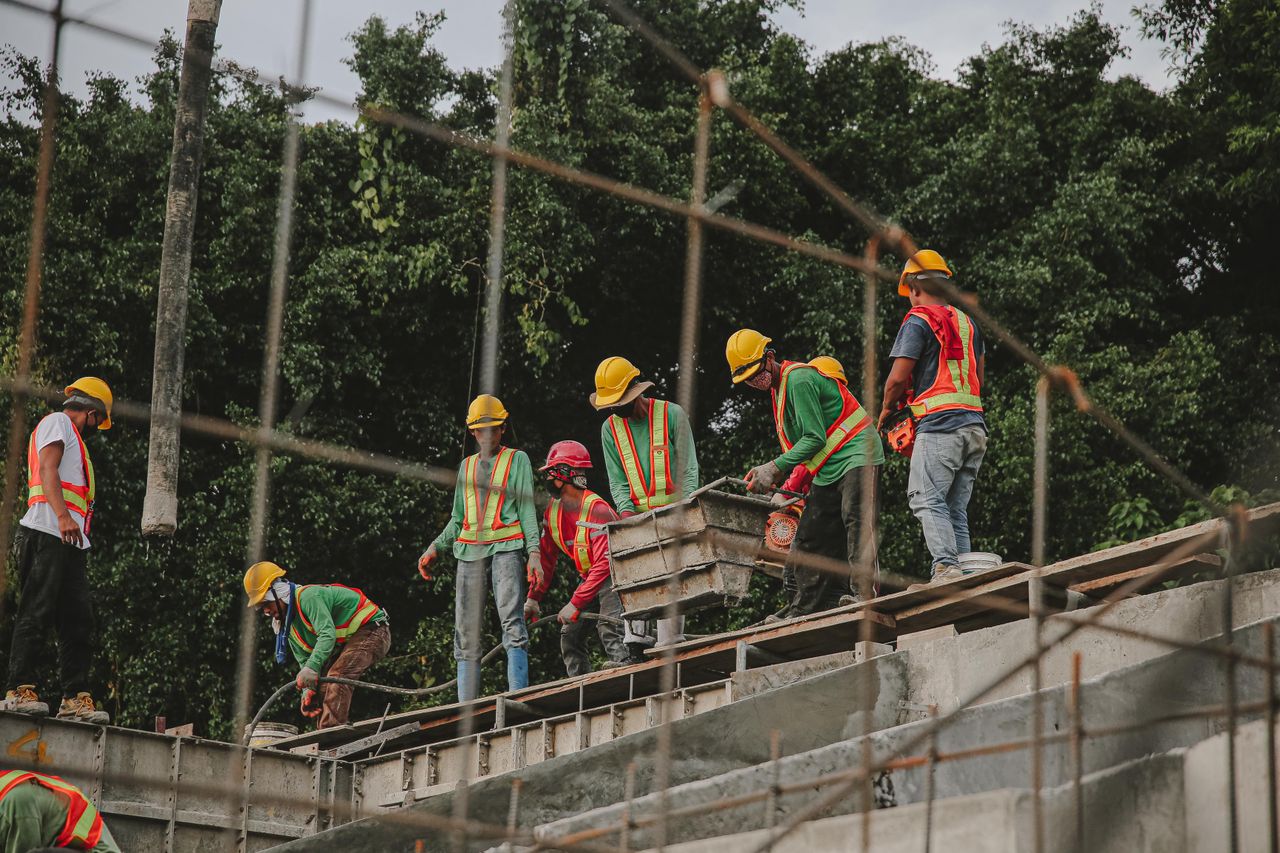
Construction sites in New York are dangerous places because of heavy machinery, high structures, electrical systems, and the fast pace of work. If safety rules are not followed, serious accidents can happen, sometimes causing life-changing injuries or even death. In these cases, a construction site accidents attorney can help injured workers and their families understand their legal options, find out who is responsible, and seek full compensation under New York law.
These cases are usually more complicated than typical workplace injury claims. They can involve several responsible parties, strict labor laws, and different insurance policies.
Why Construction Site Accidents Are So Serious
Construction work is risky, and even small mistakes can have serious results. Workers often work at heights, use heavy machinery, and deal with changing conditions.
Common risk factors include:
- Working on scaffolds, ladders, and rooftops
- Operating cranes, forklifts, and heavy equipment
- Exposure to electrical wiring and power tools
- Moving materials in crowded job sites
- Limited visibility and unstable structures
- Pressure to meet tight construction deadlines
These dangers mean that construction injuries are often serious and can last a long time.
Common Causes of Construction Site Accidents
Most construction accidents happen because of safety failures or negligence that could have been prevented.
Falls from Heights
Falls remain one of the leading causes of serious construction injuries. These may involve:
- Scaffold collapses
- Ladder failures
- Roof falls
- Unprotected edges or platforms
Falling Objects
When tools, debris, or materials fall from above, they can cause head injuries, broken bones, or even death.
Equipment Failures
Accidents with heavy machinery can happen if the equipment is not maintained properly or is used the wrong way. Examples include:
- Crane accidents
- Forklift collisions
- Bulldozer or excavator incidents
- Power tool malfunctions
Electrical Hazards
Touching exposed wires or live electrical systems can cause electrocution or serious burns.
Structural Collapses
Unsafe buildings, trench collapses, or unstable platforms can lead to crush injuries or even death.
Unsafe Working Conditions
Other contributing factors include:
- Lack of protective equipment
- Inadequate training
- Poor supervision
- Failure to follow safety regulations
- Improper site maintenance
Types of Construction Site Accidents
Construction injuries can happen in many ways, depending on the job and the work environment.
Common accident types include:
- Scaffolding accidents
- Ladder falls
- Crane accidents
- Trench collapses
- Forklift accidents
- Electrocution incidents
- Falling object injuries
- Equipment entanglement accidents
- Building collapses
- Slip and fall incidents on site
Each type of accident can involve different legal rules and questions about who is responsible.
Injuries Commonly Seen in Construction Accidents
Injuries on construction sites are often serious because of the dangerous conditions and strong forces involved.
Common injuries include:
- Traumatic brain injuries
- Spinal cord injuries and paralysis
- Broken bones and complex fractures
- Severe burns
- Crush injuries and amputations
- Internal organ damage
- Neck and back injuries
- Severe lacerations and disfigurement
- Long-term disability and chronic pain
Recovering from these injuries often means surgery, rehabilitation, and long-term medical care.
Legal Protections for Construction Workers in New York
New York has strong laws to protect construction workers and make sure workplaces are safe.
Key legal principles include:
- Property owners and contractors may be held responsible for unsafe conditions
- Safety violations can create liability in certain situations
- Multiple parties may share responsibility for one accident
- Workers may pursue claims beyond basic workers’ compensation benefits
These laws are meant to hold negligent parties responsible and encourage safer construction practices.
Workers’ Compensation vs. Third-Party Claims
After a construction accident, injured workers might be able to file more than one type of claim.
Workers’ Compensation Benefits
- Medical treatment coverage
- Partial wage replacement
- Disability benefits
However, workers’ compensation does not pay for pain and suffering or cover all long-term losses.
Third-Party Personal Injury Claims
In addition to workers’ compensation, claims may be filed against:
- Property owners
- General contractors
- Subcontractors
- Equipment manufacturers
- Maintenance companies
These claims can offer extra compensation beyond what standard benefits provide.
Determining Liability in Construction Accidents
Construction accident cases often involve several people or companies who may be responsible. Figuring out who is liable takes careful investigation.
Potentially responsible parties include:
- Site owners
- General contractors
- Subcontractors
- Equipment suppliers
- Safety supervisors
- Engineering or design professionals
Who is responsible depends on safety duties, following labor laws, and the conditions at the site when the accident happened.
Evidence Used in Construction Accident Cases
Strong evidence is needed to prove who was at fault and to get compensation.
Important evidence includes:
- Accident and incident reports
- OSHA and safety violation records
- Site inspection reports
- Photographs and videos of the scene
- Equipment maintenance logs
- Worker training records
- Witness statements
- Medical documentation
- Expert engineering analysis
- Surveillance footage
Since construction sites can change fast, it is important to save evidence as soon as possible.
Compensation Available After Construction Site Injuries
Injured workers may be able to recover both financial and non-financial damages.
Economic Damages
- Emergency medical care
- Hospital and surgical expenses
- Rehabilitation and therapy
- Lost income and future earnings
- Long-term medical treatment
- Disability-related costs
Non-Economic Damages
- Pain and suffering
- Emotional distress
- Permanent disability
- Loss of quality of life
- Disfigurement or scarring
Severe injury cases often involve significant long-term financial impact.
Challenges in Construction Accident Claims
These cases are often complex due to several factors:
- Multiple parties involved
- Strict labor law interpretations
- Insurance company defenses
- Disputed liability
- Technical safety regulations
- Missing or altered evidence
Because of these challenges, it is essential to investigate the case thoroughly.
Role of a Construction Site Accidents Attorney
A construction site accidents attorney is important for protecting injured workers’ rights and building strong legal cases. Their job usually includes:
- Investigating how the accident occurred
- Identifying all responsible parties
- Reviewing safety violations and labor law compliance
- Collecting and preserving critical evidence
- Working with medical and engineering experts
- Calculating full damages including future losses
- Negotiating with insurance companies
- Filing lawsuits when necessary
The goal is to ensure injured workers receive full compensation for both immediate and long-term consequences.
Steps to Take After a Construction Site Accident
Taking action right after an accident can make a big difference in the outcome of a claim.
Recommended steps include:
- Seek emergency medical attention
- Report the incident to a supervisor
- Document the accident scene if possible
- Collect witness information
- Preserve safety equipment and clothing
- Keep medical records and bills
- Avoid signing early settlement offers
Early action helps protect legal rights and strengthens the case.
Conclusion
Construction site accidents often result in severe injuries and complex legal disputes involving multiple parties and strict safety regulations. Understanding liability, available compensation, and required evidence is essential for protecting injured workers. With proper documentation and thorough investigation, victims may pursue full financial recovery that reflects both immediate damages and long-term consequences of the injury.